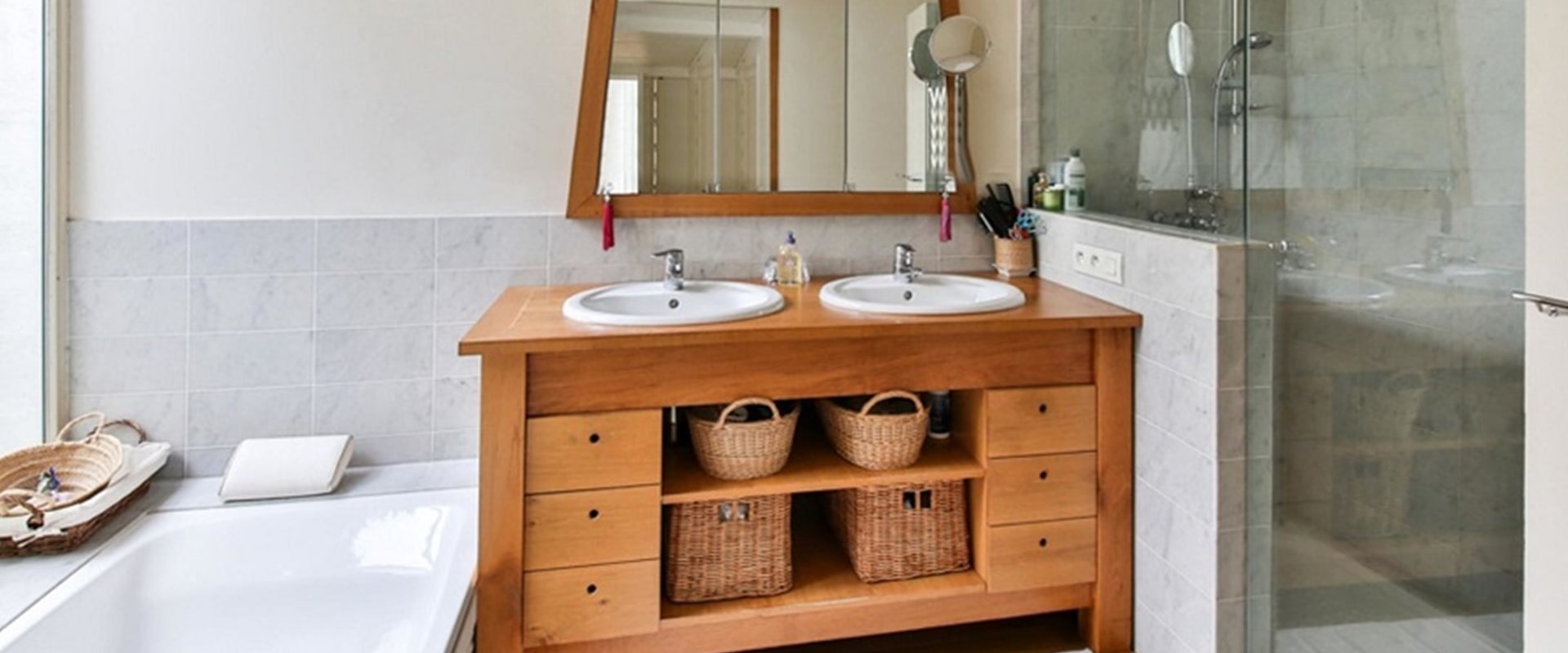
When embarking on a bathroom remodeling project, one of the most critical aspects to consider is budgeting. A well-structured budget not only serves as a financial roadmap but also plays a pivotal role in ensuring that your renovation meets both your aesthetic desires and practical needs. Without a clear budget, homeowners often find themselves facing unexpected expenses that can derail their plans and lead to frustration. Understanding the importance of budgeting is essential for anyone looking to transform their bathroom into a space that reflects their style while remaining functional.Many homeowners underestimate the costs associated with bathroom remodeling, often focusing solely on materials and fixtures.
However, a successful renovation encompasses various elements, including labor, permits, and potential structural changes. By taking the time to create a comprehensive budget, you can avoid common pitfalls such as overspending or compromising on quality. This financial foresight allows you to allocate funds effectively, ensuring that every aspect of your renovation aligns with your vision.Moreover, a well-planned budget can enhance the overall experience of your renovation journey. It provides clarity and direction, allowing you to make informed decisions about where to splurge and where to save.
For instance, investing in high-quality plumbing fixtures may yield long-term benefits, while opting for more affordable tiles can help you stay within your financial limits. Ultimately, understanding the significance of budgeting in bathroom remodeling not only paves the way for a successful renovation but also empowers you to create a space that truly enhances your home.
Setting Your Bathroom Renovation Goals
When embarking on a bathroom renovation, the first step is to establish clear and achievable goals. This process not only helps in defining the scope of your project but also ensures that your renovation aligns with your personal preferences and lifestyle needs. Here are some key aspects to consider when setting your bathroom renovation goals:- Desired Aesthetics: Think about the overall look and feel you want to achieve.
Do you prefer a modern, minimalist design, or are you drawn to a more traditional, cozy atmosphere? Consider elements such as color schemes, materials, and fixtures that resonate with your style.
- Functionality: Assess how you currently use your bathroom and identify any pain points. Is there enough storage? Are the fixtures conveniently placed? Your renovation should enhance the functionality of the space, making it more user-friendly for you and your family.
- Return on Investment (ROI): If increasing your home’s value is a priority, research which renovations yield the best ROI. Features like updated plumbing, energy-efficient fixtures, and high-quality materials can significantly boost your home’s market appeal.
Will you be updating just the fixtures, or are you planning a complete overhaul that includes new flooring, cabinetry, and lighting?Additionally, consider setting specific objectives for your renovation. For instance:
- Enhance Accessibility: If you have family members with mobility issues, incorporating features like grab bars or a walk-in shower can make a significant difference.
- Improve Energy Efficiency: Opting for low-flow toilets and LED lighting can reduce water and electricity bills while contributing to environmental sustainability.
- Create a Spa-Like Retreat: If relaxation is a priority, think about adding features like a soaking tub or heated floors to elevate your bathing experience.
Determining Your Budget: Key Factors to Consider
When embarking on a bathroom remodeling project, understanding the key factors that influence your budget is essential for a successful outcome. Here are some critical elements to consider:- Home Value: The value of your home plays a significant role in determining how much you should allocate for your bathroom renovation.
As a general guideline, the National Kitchen and Bath Association (NKBA) suggests budgeting between 5% and 10% of your home’s total value. This range allows for flexibility based on the overall condition of your home and the local real estate market.
- Size of the Bathroom: The dimensions of your bathroom will directly impact costs. Larger bathrooms typically require more materials and labor, which can increase expenses. Conversely, smaller bathrooms may allow for a more budget-friendly renovation.
Consider measuring your space accurately to get a clearer picture of potential costs.
- Quality of Materials: The choice of materials can significantly affect your budget. High-end materials such as natural stone tiles or custom cabinetry can elevate the aesthetic but also come with a higher price tag. If you’re looking to save, consider alternatives like ceramic tiles or laminate countertops that offer durability without breaking the bank.
- Labor Costs: Hiring professionals for your bathroom remodel is often necessary, especially for plumbing and electrical work. Labor costs can vary widely based on location and the complexity of the project.
It’s advisable to obtain multiple quotes from contractors to ensure you’re getting a fair price.
- Scope of Work: Clearly defining the scope of your renovation is crucial. Are you planning a complete overhaul or just updating fixtures? A full remodel will require more extensive budgeting than simple cosmetic changes. Make a list of all desired updates to help estimate costs accurately.
- Create a Detailed Plan: Outline every aspect of your project, including design preferences, materials, and labor needs. A comprehensive plan will help you avoid unexpected expenses.
- Set Aside a Contingency Fund: It’s wise to allocate an additional 10-20% of your total budget for unforeseen costs that may arise during the renovation process.
- Research and Compare Prices: Take time to shop around for materials and fixtures.
Online resources and local suppliers can provide valuable insights into pricing.
Breaking Down Costs: Materials and Labor
When planning a bathroom renovation, understanding the costs associated with materials and labor is essential for creating a realistic budget. This section will break down these costs, providing insights into various material options and the importance of labor expenses.Understanding Material Costs
The choice of materials can significantly influence the overall cost of your bathroom remodel. Here’s a breakdown of common materials and their price ranges:- Flooring: Options range from affordable vinyl tiles at around $1 to $5 per square foot to luxurious natural stone tiles that can cost $10 to $20 per square foot or more.
- Countertops: Laminate countertops are budget-friendly, typically costing between $20 to $50 per linear foot. In contrast, granite or quartz can range from $50 to $150 per linear foot, depending on the quality and finish.
- Cabinetry: Stock cabinets can start at $100 per linear foot, while custom cabinetry can exceed $500 per linear foot, depending on the materials and craftsmanship.
- Fixtures: Basic faucets may cost as little as $50, while high-end models can reach upwards of $500.
Similarly, toilets range from $100 for standard models to over $1,000 for luxury options.
The Importance of Labor Costs
Labor costs are another critical component of your renovation budget. These costs can vary widely based on location, the complexity of the project, and the experience level of the contractors involved. On average, homeowners can expect to pay between 20% to 35% of their total renovation budget on labor.Here are some factors that influence labor costs:- Project Complexity: More complex renovations that involve plumbing or electrical work will require skilled laborers, which can increase costs.
- Contractor Experience: Hiring a seasoned contractor may come with higher rates but can save you money in the long run by avoiding costly mistakes.
- Timeframe: If you need the project completed quickly, you may incur additional charges for expedited services.
Common Budgeting Mistakes to Avoid
When embarking on a bathroom remodeling project, many homeowners fall into common budgeting traps that can lead to financial strain and project delays.Understanding these pitfalls is essential for a successful renovation. Here are some of the most frequent budgeting mistakes to avoid:
- Underestimating Costs: One of the biggest errors is failing to account for all expenses associated with the remodel. Homeowners often focus solely on materials and labor, neglecting additional costs such as permits, disposal fees, and unexpected repairs. Always include a contingency fund of at least 10-20% of your total budget to cover unforeseen expenses.
- Ignoring Labor Costs: Many DIY enthusiasts underestimate the value of professional help.
While it may be tempting to tackle the project alone to save money, hiring skilled contractors can prevent costly mistakes and ensure quality workmanship. Be sure to factor in labor costs when creating your budget.
- Focusing Solely on Aesthetics: While it’s important to create a beautiful space, prioritizing aesthetics over functionality can lead to overspending on trendy fixtures that may not stand the test of time. Consider investing in durable materials and practical layouts that enhance both beauty and usability.
- Neglecting Long-Term Value: Some homeowners make the mistake of choosing low-cost options without considering their long-term value. For instance, opting for cheaper tiles may save money upfront but could lead to higher maintenance costs down the line.
Invest in quality materials that will last longer and add value to your home.
- Failing to Research: Not doing adequate research on materials, fixtures, and labor rates can result in overspending. Take the time to compare prices from different suppliers and contractors. Online reviews and recommendations can also provide valuable insights into quality and pricing.
- Overlooking Future Needs: When budgeting for a bathroom remodel, it’s crucial to consider future needs. If you plan to stay in your home long-term, think about how your family’s needs may change over time.
This foresight can help you avoid costly renovations in the future.
Maximizing Value: Smart Upgrades That Fit Your Budget
When planning a bathroom renovation, it’s essential to focus on upgrades that not only enhance the aesthetic appeal but also add significant value to your home. Here are some smart remodeling choices that can help you maximize your investment while staying within budget.Value-Adding Upgrades
- Modern Fixtures: Upgrading faucets, showerheads, and cabinet hardware can dramatically change the look of your bathroom. Opt for water-efficient models that save on utility bills while providing a sleek, modern appearance.
- Quality Lighting: Good lighting can make a small bathroom feel larger and more inviting.
Consider adding layered lighting with a combination of ambient, task, and accent lights. LED fixtures are energy-efficient and come in various styles to suit any decor.
- Fresh Paint: A fresh coat of paint can breathe new life into your bathroom. Choose light, neutral colors to create an illusion of space or bold hues for a dramatic effect. Paint is one of the most cost-effective ways to transform a room.
- Smart Storage Solutions: Incorporating built-in shelves or stylish cabinets can help keep your bathroom organized and clutter-free.
Look for multi-functional furniture pieces that provide storage without taking up too much space.
- Tile Upgrades: While high-end materials like marble can be expensive, there are budget-friendly alternatives such as porcelain or ceramic tiles that mimic the look of luxury materials without the hefty price tag. Consider using these tiles for backsplashes or flooring to elevate the overall design.
Where to Splurge
If your budget allows for some splurging, consider investing in:- High-Quality Countertops: A beautiful countertop can serve as a focal point in your bathroom. Materials like quartz or granite not only look stunning but are also durable and long-lasting.
- Luxury Shower Systems: Upgrading to a rainfall showerhead or a multi-function shower system can enhance your bathing experience and add a touch of luxury.
Where to Save
On the other hand, there are areas where you can cut costs without sacrificing quality:- Keep Existing Layout: Maintaining the current layout of your bathroom can save on plumbing and electrical costs. Focus on cosmetic changes instead of structural ones.
- Diy Projects: If you have some handy skills, consider tackling smaller projects yourself, such as painting or installing new fixtures.
This can significantly reduce labor costs.
Planning for Unexpected Costs: Contingency Budgeting
When embarking on a bathroom remodeling project, one of the most critical aspects to consider is the potential for unexpected costs. No matter how meticulously you plan, surprises can arise that may strain your budget. This is where the concept of a contingency budget becomes invaluable.A contingency budget is essentially a financial buffer set aside to cover unforeseen expenses that may occur during the renovation process. Experts recommend allocating about 10% to 20% of your total renovation budget for this purpose.This percentage can vary based on the scope of your project and the age of your home. Older homes, in particular, may present more surprises due to outdated plumbing, electrical systems, or structural issues.
Common Unexpected Costs
- Structural Repairs: During demolition, you might discover water damage, mold, or other structural issues that need immediate attention.
- Plumbing and Electrical Adjustments: Upgrading fixtures or moving plumbing lines can lead to additional costs if existing systems are not up to code.
- Material Shortages: If a specific tile or fixture is out of stock, you may need to choose a more expensive alternative or wait for restocking.
- Labor Costs: If your project takes longer than expected, labor costs can increase significantly.
By identifying which elements are essential and which can be postponed, you can allocate funds more effectively and reduce the likelihood of overspending. For instance, if you find that your budget is tight after addressing unexpected plumbing issues, you might decide to hold off on luxury finishes until later.In conclusion, including a contingency budget in your overall planning for a bathroom remodeling project is not just wise; it’s essential. By preparing for unexpected costs and being proactive in your planning, you can navigate the renovation process with greater confidence and peace of mind.
Finalizing Your Budget: Tips for Staying on Track
Finalizing your budget for a bathroom renovation is a critical step that can determine the success of your project. Staying on track financially requires careful planning and ongoing management throughout the renovation process.Here are some practical tips to help you manage your budget effectively:
- Create a Detailed Budget Plan: Start by outlining all potential costs associated with your renovation. This includes materials, labor, permits, and any unexpected expenses that may arise. Break down each category into specific items to get a clearer picture of where your money will go.
- Track Your Expenses: As the renovation progresses, keep a detailed record of all expenditures. Use budgeting software or a simple spreadsheet to log every purchase, from tiles to fixtures.
This will help you stay aware of your spending and identify any areas where you might be overspending.
- Set Aside a Contingency Fund: It’s wise to allocate an additional 10-20% of your total budget for unforeseen costs. Renovations often come with surprises, such as hidden water damage or structural issues that need addressing. Having a contingency fund will give you peace of mind and prevent financial strain.
- Prioritize Your Needs vs. Wants: Distinguish between essential upgrades and those that are merely desirable.
Focus on what will enhance the functionality and value of your bathroom first, and consider postponing luxury items until after the renovation is complete.
- Communicate with Your Contractor: Maintain open lines of communication with your contractor throughout the project. Regular check-ins can help ensure that the work is progressing as planned and that costs remain within budget. If any changes arise, discuss them immediately to avoid surprises later on.
- Be Flexible: While it’s important to stick to your budget, be prepared to make adjustments if necessary. If you find that certain materials are more expensive than anticipated, consider alternatives that still meet your design goals without breaking the bank.
Remember, staying organized and proactive will not only help you avoid financial pitfalls but also ensure that you achieve the beautiful bathroom you envision without unnecessary stress.
Conclusion: Achieving Your Dream Bathroom Within Budget
In conclusion, embarking on a bathroom remodeling project can be both exciting and daunting. By adhering to a well-structured budget and planning meticulously, you can transform your bathroom into a space that not only meets your aesthetic desires but also enhances the overall value of your home. Here are some key takeaways to keep in mind as you move forward:- Establish a Clear Vision: Before diving into the renovation process, take the time to define what you want from your new bathroom. Consider factors such as style, functionality, and the specific features that will make your space unique.
- Set a Realistic Budget: As mentioned earlier, aim to allocate between 5% and 10% of your home’s value for the renovation.
This range allows for flexibility while ensuring that you don’t overspend.
- Prioritize Your Needs: Identify which elements of the renovation are essential versus those that are merely desirable. This will help you make informed decisions about where to allocate your budget effectively.
- Consult Professionals: Engaging with experienced remodelers can provide invaluable insights and help you avoid common pitfalls. They can offer guidance on material choices, layout options, and cost-saving strategies.
- Be Prepared for Unexpected Costs: No renovation is without surprises. Set aside a contingency fund—typically around 10-20% of your total budget—to cover any unforeseen expenses that may arise during the project.
- Consider DIY Wisely: While some tasks may be suitable for a DIY approach, others are best left to professionals.
Assess your skills realistically to avoid costly mistakes.