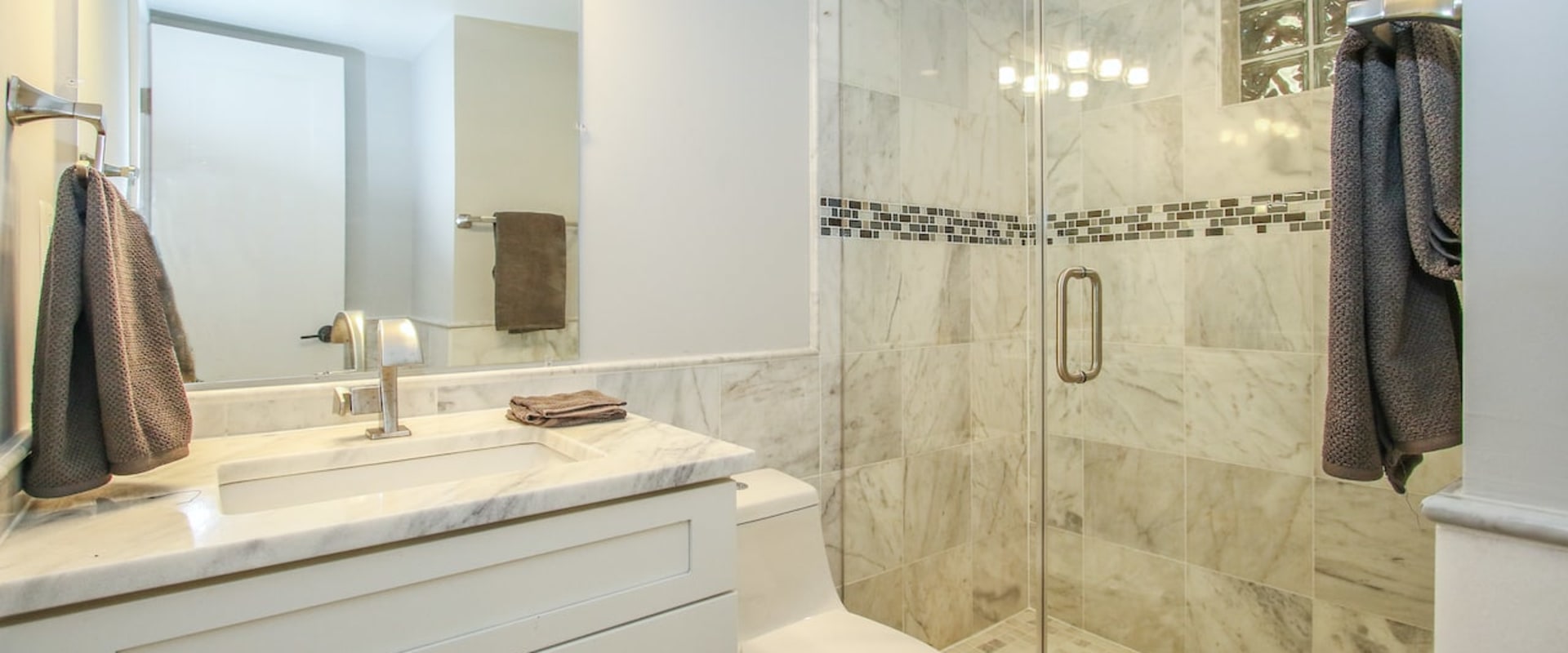
When embarking on a bathroom remodeling project, many homeowners focus primarily on the visible costs, such as materials and labor. However, the reality is that the expenses associated with a bathroom renovation extend far beyond what meets the eye. Understanding both the apparent and hidden costs is crucial for anyone looking to transform their bathroom into a functional and aesthetically pleasing space. This knowledge not only helps in budgeting effectively but also in avoiding unpleasant surprises down the line.One of the most significant challenges in estimating bathroom renovation expenses lies in the myriad of factors that can influence costs.
From the choice of fixtures and finishes to potential structural changes, each decision can have a ripple effect on your overall budget. For instance, opting for high-end materials may elevate your design but can also lead to unexpected expenses if additional modifications are required to accommodate them. Furthermore, hidden costs such as plumbing adjustments, electrical work, and even permits can quickly add up, making it essential to account for these elements in your planning.As we delve deeper into the intricacies of bathroom remodeling costs, we will explore various aspects that contribute to both visible and hidden expenses. By shedding light on these factors, we aim to equip homeowners with the insights needed to make informed decisions throughout their renovation journey.
Whether you are considering a simple update or a complete overhaul, understanding the full scope of potential costs will empower you to create a beautiful bathroom that aligns with your vision and budget.
Common Visible Costs in Bathroom Remodeling
When embarking on a bathroom remodeling project, understanding the common visible costs is crucial for effective budgeting. These costs can be broadly categorized into labor and material expenses, both of which can significantly impact the overall budget.Labor Costs
- Labor costs typically account for a substantial portion of the total renovation budget, often ranging from 20% to 35% of the overall expenses.
- The complexity of the project plays a significant role in determining labor costs. For instance, a simple cosmetic update may require less labor compared to a complete overhaul that involves plumbing and electrical work.
- Hiring skilled professionals is essential for ensuring quality workmanship. While it may be tempting to cut costs by hiring less experienced contractors, this can lead to costly mistakes that may require additional repairs down the line.
Material Costs
- Material costs can vary widely based on the quality and type of materials chosen.
For example, opting for high-end tiles or fixtures can dramatically increase your budget.
- Common materials involved in bathroom renovations include:
- Tiles: The choice between ceramic, porcelain, or natural stone can affect both aesthetics and cost.
- Vanities: Custom vanities are often more expensive than prefabricated options but can offer better functionality and design.
- Fixtures: Faucets, showerheads, and toilets come in various price ranges, with designer brands typically costing more.
- In addition to these primary materials, don’t forget about smaller items such as grout, adhesives, and sealants, which can add up quickly.
The Impact of Layout Changes on Renovation Costs
When embarking on a bathroom remodeling project, one of the most significant factors that can influence the overall cost is the decision to change the layout. Altering the layout of a bathroom is not merely a cosmetic change; it involves a complex interplay of design, plumbing, and electrical work that can quickly escalate expenses.Changing the layout typically means relocating essential fixtures such as sinks, toilets, and showers. This process often requires:- Plumbing Adjustments: Moving plumbing lines to accommodate new fixture placements can be labor-intensive and costly.
It may involve cutting into walls or floors, which adds to both material and labor costs.
- Electrical Work: If your new layout requires moving light fixtures or outlets, you will need to hire an electrician. This can add significant costs, especially if your existing wiring needs to be updated to meet current codes.
- Structural Changes: In some cases, changing the layout may necessitate structural modifications, such as reinforcing walls or altering doorways. These changes can dramatically increase both time and expense.
The aesthetic appeal of your bathroom is important, but it’s essential to balance style with functionality and cost-effectiveness.Another aspect to consider is the potential for unforeseen issues during renovation. When you start moving plumbing or electrical systems, you may uncover problems such as outdated wiring or plumbing leaks that need immediate attention. These surprises can lead to additional costs that were not initially accounted for in your budget.In summary, while changing the layout of your bathroom can enhance its functionality and visual appeal, it is crucial to understand that this decision often comes with a hefty price tag. Careful planning and consultation with professionals can help mitigate some of these costs, ensuring that your bathroom remodeling project remains within budget while achieving your desired outcome.
Hidden Costs to Consider in Bathroom Renovations
When embarking on a bathroom remodeling project, many homeowners focus on the visible aspects such as tiles, fixtures, and paint colors.However, there are numerous hidden costs that can significantly impact your overall budget. Understanding these potential expenses is crucial for effective planning and avoiding financial surprises down the line.
1.Plumbing Adjustments
One of the most common hidden costs in bathroom renovations is related to plumbing. If you plan to change the layout of your bathroom, you may need to relocate existing plumbing lines. This can involve:
- Re-routing pipes for sinks, toilets, and showers
- Installing new drainage systems
- Upgrading old plumbing to meet current codes
2.Electrical Work
Similar to plumbing, any changes to the electrical layout can lead to unexpected costs.
If you’re adding new lighting fixtures or outlets, or if you need to move existing ones, hiring a licensed electrician is essential. This may include:
- Installing new wiring
- Upgrading the electrical panel if necessary
- Ensuring compliance with local building codes
3.Permits and Inspections
Many homeowners overlook the need for permits when planning a bathroom remodeling. Depending on your location and the scope of your project, you may need permits for plumbing, electrical work, or structural changes. Failing to obtain the necessary permits can lead to fines and complications during inspections.
Always check with your local building department to understand what permits are required and their associated costs.
4.Unexpected Structural Issues
During renovations, it’s not uncommon to uncover hidden problems such as water damage, mold, or outdated materials that need replacing. These issues can significantly increase your renovation costs:
- Repairing or replacing damaged drywall or flooring
- Treating mold or mildew issues
- Updating insulation or ventilation systems
5.Design Changes and Upgrades
If you find yourself drawn to high-end materials or custom designs during the renovation process, be prepared for additional costs. Custom cabinetry, premium countertops, and designer fixtures can quickly push your budget beyond initial estimates. It’s wise to set aside a contingency fund—typically 10-20% of your total budget—to cover these potential upgrades.In conclusion, while planning a bathroom remodeling, it’s essential to account for these hidden costs.
By doing so, you’ll be better prepared for the financial realities of your renovation project and can create a more accurate budget that accommodates both expected and unexpected expenses.
Choosing Quality Materials: Balancing Cost and Value
When embarking on a bathroom remodeling project, one of the most critical decisions you will face is the selection of materials. While it may be tempting to opt for cheaper options to save on initial costs, investing in quality materials can significantly enhance the longevity and aesthetic appeal of your renovation.Understanding Cost vs. Value
In the realm of home renovations, the concept of cost versus value is paramount. Quality materials often come with a higher price tag, but they can provide substantial returns in terms of durability and maintenance.
For instance, high-quality tiles may cost more upfront, but they are less likely to crack or stain, reducing the need for replacements or repairs down the line.
Types of Materials to Consider
- Countertops: Materials like granite or quartz not only offer stunning visuals but also resist scratches and heat better than laminate options.
- Flooring: Investing in porcelain or ceramic tiles can provide a waterproof surface that withstands moisture better than cheaper alternatives.
- Fixtures: High-quality faucets and showerheads made from solid brass or stainless steel can prevent corrosion and leaks, saving you money on repairs.
- Cabinets: Opting for solid wood cabinets instead of particleboard can enhance both the look and durability of your bathroom.
The Long-Term Benefits
Choosing quality materials not only elevates the design of your bathroom but also contributes to its overall value. A well-executed remodel using premium materials can yield a higher return on investment (ROI) when it comes time to sell your home. Potential buyers are often willing to pay more for a bathroom that looks luxurious and is built to last.Moreover, quality materials typically require less maintenance, which translates into lower costs over time. For example, while cheaper paint may need frequent touch-ups, high-quality paint can maintain its finish for years without fading or peeling.
Conclusion
In summary, while the initial expense of quality materials in your bathroom remodeling project may seem daunting, the long-term savings and enhanced value make it a wise investment.
By carefully selecting materials that balance cost and value, you can create a beautiful and functional space that stands the test of time.
DIY vs. Hiring Professionals: Cost Implications
When it comes to bathroom remodeling, one of the most significant decisions homeowners face is whether to tackle the project themselves or hire professionals. Each approach has its own set of cost implications, benefits, and potential pitfalls that can greatly affect the overall success of the renovation.DIY Bathroom Remodeling: Potential Savings and Risks
Opting for a DIY bathroom remodel can lead to substantial savings, particularly in labor costs. Homeowners can save money by performing tasks such as:
- Painting walls and ceilings
- Installing fixtures like faucets and towel bars
- Tile installation
- Cabinet assembly and installation
- Lack of Expertise: Without professional training, homeowners may struggle with complex tasks such as plumbing or electrical work, leading to costly mistakes.
- Time Consumption: DIY projects often take longer than anticipated, especially for those unfamiliar with the process.
This can lead to extended periods without a functional bathroom.
- Quality of Work: The final result may not meet professional standards, potentially affecting the home’s value.
Hiring Professionals: Cost Considerations
On the other hand, hiring professionals for a bathroom remodel can be more expensive upfront but often results in a higher-quality finish. Professional contractors bring expertise that can save time and prevent costly errors. Here are some key cost considerations:
- Labor Costs: Hiring skilled labor can significantly increase the overall budget. However, this investment often pays off in terms of quality and durability.
- Access to Resources: Professionals typically have access to better materials and tools, which can enhance the overall outcome of the renovation.
- Project Management: Experienced contractors manage timelines and coordinate various aspects of the project, reducing stress for homeowners.
While DIY may seem appealing for its cost-saving potential, it’s essential to weigh these savings against the risks involved. Conversely, investing in professional help can lead to a more seamless renovation experience with results that are likely to stand the test of time.
The Role of Permits and Regulations in Remodeling Costs
When embarking on a bathroom remodeling project, one crucial aspect that often gets overlooked is the role of permits and local regulations. Understanding these legal requirements is essential, as they can significantly impact the overall cost and timeline of your renovation.Before you start tearing down walls or installing new fixtures, it’s important to check with your local building department to determine what permits are necessary for your project. In many jurisdictions, any significant changes to plumbing, electrical systems, or structural elements will require a permit.Failing to obtain the necessary permits can lead to fines, delays, and even the need to undo completed work.
Types of Permits
- Building Permits: These are typically required for any structural changes, such as moving walls or altering the layout of your bathroom.
- Plumbing Permits: If you’re relocating sinks, toilets, or bathtubs, a plumbing permit is usually necessary to ensure that all work meets local codes.
- Electrical Permits: Any changes to electrical wiring or outlets will require an electrical permit to ensure safety and compliance with regulations.
The Impact of Regulations
Local regulations not only dictate what permits are needed but also set standards for safety and quality. These regulations can affect everything from the materials you use to the design of your bathroom.For instance, certain areas may have restrictions on the types of plumbing fixtures that can be installed or specific requirements for ventilation systems.Moreover, adhering to these regulations can sometimes lead to additional costs. For example, if your renovation requires you to upgrade existing plumbing or electrical systems to meet current codes, this can add significant expenses to your overall budget.In conclusion, while navigating permits and regulations may seem tedious, it is a critical step in ensuring a successful bathroom remodeling project. By understanding these requirements upfront and budgeting accordingly, you can avoid costly mistakes and ensure that your renovation complies with all local laws.
Planning for Contingencies: Budgeting for Surprises
When embarking on a bathroom remodeling project, one of the most crucial aspects to consider is the potential for unexpected costs. No matter how meticulously you plan, surprises can arise that may strain your budget.Therefore, it’s essential to incorporate a contingency budget into your overall renovation plan.
Understanding the Importance of a Contingency Budget
A contingency budget acts as a financial safety net, allowing you to address unforeseen expenses without derailing your entire project. Experts recommend setting aside at least 10% to 20% of your total renovation budget for contingencies. This allocation can cover various unexpected costs, such as:
- Hidden water damage or mold issues behind walls
- Upgrades to plumbing or electrical systems that don’t meet current codes
- Changes in material prices or availability
- Additional labor costs due to unforeseen complications
Tips for Planning Your Contingency Budget
To effectively plan for contingencies in your bathroom remodeling, consider the following tips:
- Conduct a Thorough Inspection: Before starting your renovation, have a professional inspect your bathroom. This can help identify potential issues that may require additional funds.
- Research Material Costs: Prices for materials can fluctuate.
By researching and locking in prices early, you can better anticipate potential increases.
- Consult with Professionals: Engaging with experienced contractors can provide insights into common pitfalls and hidden costs associated with bathroom renovations.
- Be Flexible with Your Design: While it’s important to have a vision for your remodel, being open to adjustments can help you stay within budget if unexpected costs arise.
- Track Your Spending: Keep detailed records of all expenses throughout the renovation process. This will help you identify areas where you may need to dip into your contingency fund.
Conclusion
In summary, planning for contingencies is an essential part of any bathroom remodeling project. By setting aside a portion of your budget for unexpected expenses and following these tips, you can navigate the renovation process with greater confidence and less financial stress. Remember, being prepared for surprises not only protects your wallet but also ensures that your dream bathroom becomes a reality without unnecessary delays or compromises.
Conclusion: Navigating Bathroom Remodeling Costs Effectively
In conclusion, navigating the complexities of bathroom remodeling costs requires a comprehensive understanding of both the visible and hidden expenses involved.As we have explored throughout this article, the financial implications of a bathroom renovation extend far beyond the initial estimates provided by contractors. It is crucial to recognize that while some costs are apparent, such as materials and labor, others can lurk beneath the surface, waiting to surprise unsuspecting homeowners.One of the most significant hidden costs arises from altering the layout of your bathroom. This change can lead to increased labor expenses and additional requirements for plumbing and electrical work. Therefore, it is essential to carefully consider your design choices and their potential impact on your overall budget.Moreover, investing in high-quality materials and fixtures can significantly enhance the longevity and aesthetic appeal of your bathroom.
While it may be tempting to cut corners with cheaper options, doing so can lead to higher maintenance costs and repairs down the line. Therefore, prioritizing quality over cost is a wise strategy for any homeowner.To effectively manage your bathroom remodeling budget, thorough planning is paramount. Here are some key strategies to consider:
- Create a detailed budget: Outline all potential costs, including materials, labor, permits, and unexpected expenses.
- Research thoroughly: Investigate various materials and fixtures to find options that fit both your style and budget.
- Consult professionals: Engage with experienced contractors who can provide insights into realistic costs and help you avoid common pitfalls.
- Be flexible: Understand that changes may be necessary during the renovation process; having a contingency fund can alleviate stress.