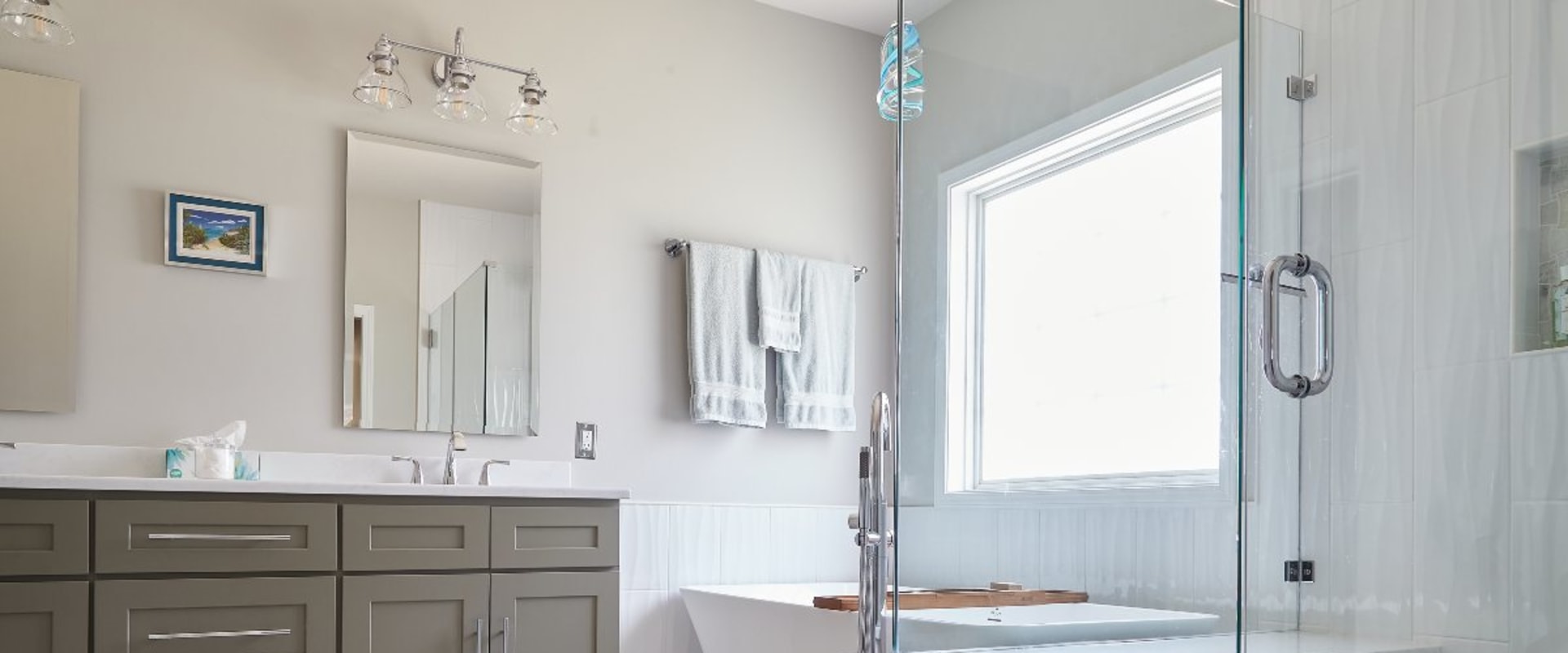
Bathroom remodeling is more than just a trend; it is a vital aspect of home improvement that can significantly enhance both the functionality and aesthetic appeal of one of the most frequently used spaces in your home. Whether you are looking to update an outdated design, improve energy efficiency, or increase your property’s market value, a well-planned bathroom remodel can yield impressive results. This process involves not only cosmetic changes but also structural modifications that can transform your bathroom into a sanctuary of comfort and style.Understanding the importance of bathroom remodeling goes beyond mere aesthetics. A thoughtfully executed remodel can address common issues such as inadequate storage, poor lighting, and outdated plumbing fixtures.
By investing in this space, homeowners can create an environment that meets their needs while also appealing to potential buyers. In fact, real estate experts often cite bathrooms as one of the key areas that influence a buyer's decision. A modern, functional bathroom can significantly boost your home’s resale value, making it a smart investment for any homeowner.Moreover, the benefits of bathroom remodeling extend to enhancing your daily routine. Imagine stepping into a beautifully designed space that not only looks good but also functions seamlessly.
From luxurious soaking tubs to efficient shower systems and stylish vanities, the options are endless. As you embark on this journey, it is essential to consider various elements such as layout, materials, and fixtures that align with your vision and budget. This article will delve into expert tips and strategies to ensure your bathroom remodel is not only successful but also tailored to your unique preferences.
Setting a Realistic Budget
Creating a realistic budget for your bathroom remodeling project is essential to ensure that you can achieve your desired results without breaking the bank. A well-planned budget not only helps you manage your finances but also allows you to prioritize your spending on the most important aspects of the remodel.To start, it’s crucial to determine the overall cost range for your bathroom remodel.On average, homeowners spend between $10,000 and $25,000 for a full renovation, but this can vary significantly based on factors such as location, size of the bathroom, and the quality of materials chosen.
Cost Breakdown of a Bathroom Remodel
Understanding where your money goes is vital. Here’s a breakdown of typical costs associated with a bathroom remodel:- Design Fees: Approximately 4% of your total budget. This includes hiring a designer or architect to help plan the layout and aesthetics.
- Labor Costs: Typically 20-30% of your budget. Skilled labor is essential for plumbing, electrical work, and installation.
- Fixtures: Around 15% of your budget should be allocated for sinks, toilets, and bathtubs.
Choosing high-quality fixtures can enhance both functionality and aesthetics.
- Cabinetry and Hardware: Expect to spend about 16% on cabinets and their hardware. Custom cabinetry can significantly increase this cost.
- Countertops: Allocate about 7% for countertops. Materials like granite or quartz can elevate the look but come at a higher price point.
- Lighting and Ventilation: Around 5% should be set aside for lighting fixtures and ventilation systems to ensure proper airflow.
- Flooring: Approximately 9% of your budget will go towards flooring materials, which can vary widely in price depending on the type chosen.
- Doors and Windows: Budget about 4% for any new doors or windows that may need replacement or upgrades.
- Walls and Ceilings: Set aside around 5% for drywall, paint, or tile work on walls and ceilings.
- Faucets and Plumbing: Expect to spend about 14% on plumbing fixtures and installation costs.
By understanding the breakdown of expenses and prioritizing key elements, you can create a beautiful bathroom that meets both your needs and financial constraints.
Choosing the Right Materials
When embarking on a bathroom remodeling project, one of the most critical decisions you will face is selecting the right materials. The materials you choose not only affect the overall aesthetic of your bathroom but also its durability and functionality. Here’s a comprehensive guide to help you navigate through the best options available.Tiles: A Foundation of Style and Durability
Tiles are often the first material that comes to mind when considering a bathroom remodel. They are available in various styles, colors, and textures, making them versatile for any design theme.Here are some popular tile options:
- Ceramic Tiles: Affordable and easy to maintain, ceramic tiles are a popular choice for bathroom floors and walls. They come in numerous designs and can mimic the look of natural stone.
- Porcelain Tiles: Denser and more durable than ceramic, porcelain tiles are ideal for high-traffic areas. They are resistant to moisture and stains, making them perfect for bathrooms.
- Natural Stone Tiles: For a luxurious feel, consider natural stone tiles like marble or granite. While they require more maintenance, their unique patterns and textures can elevate your bathroom's design.
Fixtures: Balancing Functionality with Aesthetics
Your choice of fixtures—such as faucets, showerheads, and toilets—can significantly impact both the functionality and style of your bathroom.Look for fixtures that combine modern technology with energy efficiency:
- Water-Saving Faucets: These fixtures help reduce water consumption without sacrificing performance.
- Smart Showers: Consider installing smart shower systems that allow you to control temperature and water flow with ease.
- Stylish Toilets: Wall-mounted or low-flow toilets can save space and water while adding a contemporary touch.
Cabinetry: Storage Solutions That Shine
The cabinetry in your bathroom should not only provide ample storage but also complement your overall design. When selecting cabinetry, consider the following materials:- Plywood: Known for its durability and resistance to moisture, plywood is an excellent choice for bathroom cabinets.
- MDF (Medium Density Fiberboard): This engineered wood is smooth and can be painted easily, making it a popular option for modern designs.
- Solid Wood: While more expensive, solid wood cabinets offer timeless beauty and durability if properly sealed against moisture.
Hiring Professionals vs. DIY
When it comes to bathroom remodeling, one of the most significant decisions homeowners face is whether to hire professionals or take the DIY route.Each approach has its own set of advantages and disadvantages, and understanding these can help you make an informed choice that aligns with your skills, budget, and project scope.
Pros of Hiring Professionals
- Expertise and Experience: Professional contractors bring a wealth of knowledge and experience to the table. They are familiar with the latest trends, materials, and techniques, ensuring that your remodel is not only aesthetically pleasing but also functional and durable.
- Time Efficiency: A professional team can complete the project more quickly than a DIY effort. They have the tools and manpower to tackle multiple tasks simultaneously, which can significantly reduce the overall timeline of your remodel.
- Quality Assurance: Hiring experts often means you’ll receive a warranty on their work. This provides peace of mind knowing that if something goes wrong, you have recourse without incurring additional costs.
- Compliance with Codes: Professionals are well-versed in local building codes and regulations.
They ensure that all work is compliant, which can save you from potential fines or issues when selling your home in the future.
Cons of Hiring Professionals
- Higher Costs: The most apparent downside is the cost. Hiring professionals can significantly increase your budget due to labor fees, which can account for up to 50% of the total project cost.
- Lack of Personal Touch: While professionals can provide valuable insights, they may not always capture your personal style or vision as accurately as you would like.
Pros of DIY Bathroom Remodel
- Cost Savings: One of the most compelling reasons to go DIY is the potential for significant savings. By eliminating labor costs, you can allocate more funds toward high-quality materials or additional features.
- Creative Control: Taking on a remodel yourself allows for complete creative freedom. You can experiment with designs, colors, and layouts that reflect your personal style without needing to compromise.
- Satisfaction: Completing a project on your own can be incredibly rewarding.
The sense of accomplishment from transforming your space can enhance your enjoyment of the finished product.
Cons of DIY Bathroom Remodel
- Time-Consuming: A DIY remodel can take much longer than anticipated, especially if you are juggling other responsibilities or lack experience in certain tasks.
- Skill Limitations: Not all homeowners possess the necessary skills for every aspect of a remodel. Tasks like plumbing or electrical work require specialized knowledge and could lead to costly mistakes if not done correctly.
- Lack of Resources: Professionals have access to tools and materials that may not be readily available to the average homeowner. This could limit your options or increase costs if you need to rent equipment.
However, for complex renovations involving plumbing or electrical work, hiring professionals is often the safest and most efficient choice.
Designing Your Dream Bathroom
Designing your dream bathroom is an exciting yet challenging endeavor. It’s essential to strike a balance between aesthetics and functionality to create a space that not only looks great but also meets your daily needs. Here are some key considerations and tips to help you navigate the design process effectively.Layout Considerations
The layout of your bathroom is crucial in determining how functional and comfortable the space will be. Start by assessing the current layout and identifying any areas that may need improvement.Consider the following:
- Traffic Flow: Ensure there is enough space for movement, especially around fixtures like the toilet, shower, and sink. A well-planned layout minimizes congestion.
- Fixture Placement: Think about the placement of your sink, toilet, and shower or bathtub. Ideally, these should be positioned for easy access while maintaining privacy.
- Storage Solutions: Incorporate built-in shelves or cabinets to keep toiletries organized and out of sight. A clutter-free environment enhances both functionality and aesthetics.
Color Schemes
The color palette you choose can dramatically influence the mood of your bathroom.In 2023, popular color trends include:
- Soft Neutrals: Shades like beige, taupe, and soft gray create a calming atmosphere.
- Bold Accents: Consider adding pops of color through accessories or an accent wall. Deep blues or greens can add a touch of sophistication.
- Earthy Tones: Colors inspired by nature, such as terracotta or olive green, are gaining popularity for their warm and inviting feel.
Current Trends in Bathroom Design
Staying updated with the latest trends can inspire your design choices. Here are some popular styles for 2023:- Minimalist Design: Clean lines, simple fixtures, and a lack of clutter characterize this style, making it perfect for small spaces.
- Spa-Like Retreats: Homeowners are increasingly looking to create a relaxing oasis with features like freestanding tubs, rain showers, and natural materials.
- Smart Technology: Integrating technology into your bathroom can enhance convenience. Consider smart mirrors, heated floors, or automated lighting systems.
By carefully considering layout, color schemes, and current trends, you can create a space that is both beautiful and functional.
Planning for Plumbing and Electrical Work
When embarking on a bathroom remodeling project, careful planning for plumbing and electrical work is paramount. These elements not only ensure the functionality of your new space but also significantly influence the overall timeline and budget of your remodel.Understanding Plumbing Considerations
- Assess Existing Plumbing: Before making any changes, evaluate your current plumbing system. Identify the location of pipes, drains, and fixtures. This assessment will help you determine if any existing plumbing can be reused or if new installations are necessary.
- Water Supply and Drainage: Ensure that your water supply lines are adequate for the fixtures you plan to install.
For instance, a double sink requires more water supply than a single sink. Additionally, proper drainage is crucial to prevent clogs and leaks.
- Fixture Placement: The placement of sinks, toilets, and showers should be carefully considered. Moving plumbing fixtures can be costly due to the need for rerouting pipes. If possible, keep existing fixtures in their current locations to save on labor and materials.
- Permits and Codes: Always check local building codes and obtain necessary permits before starting any plumbing work.
Compliance with regulations ensures safety and can prevent costly fines.
Electrical Work Essentials
- Lighting Design: Good lighting is essential in a bathroom. Plan for ambient, task, and accent lighting to create a well-lit space. Consider installing dimmer switches for flexibility in lighting levels.
- Outlet Placement: Ensure that there are enough electrical outlets for your needs, especially near vanities for hairdryers and other appliances. Outlets should be GFCI (Ground Fault Circuit Interrupter) protected to enhance safety in wet areas.
- Ventilation Fans: Proper ventilation is critical in bathrooms to prevent moisture buildup, which can lead to mold growth.
Install an exhaust fan that meets the size requirements of your bathroom to ensure effective air circulation.
- Hiring Professionals: Given the complexity of plumbing and electrical work, hiring licensed professionals is advisable. They have the expertise to handle installations safely and efficiently while adhering to local codes.
Navigating Permits and Regulations
When embarking on a bathroom remodel, one of the most critical yet often overlooked aspects is understanding the necessary permits and regulations. Compliance with local building codes is essential not only for the legality of your project but also for ensuring safety and functionality in your newly renovated space.Before you start tearing down walls or installing new fixtures, it’s vital to check with your local building department to determine what permits are required for your specific remodel.Here are some common permits you may need:
- Building Permit: This is typically required for any structural changes, such as moving walls or altering plumbing and electrical systems.
- Electrical Permit: If your remodel involves new lighting, outlets, or any electrical work, an electrical permit is usually necessary to ensure compliance with safety standards.
- Plumbing Permit: Any changes to plumbing systems, including new sinks, toilets, or showers, will likely require a plumbing permit.
- Mechanical Permit: If you’re installing or modifying heating, ventilation, or air conditioning (HVAC) systems, a mechanical permit may be needed.
- Ventilation Requirements: Proper ventilation is essential in bathrooms to prevent moisture buildup and mold growth. Codes often specify the type and size of exhaust fans required.
- Electrical Safety: Bathrooms have specific regulations regarding electrical installations due to the presence of water. GFCI (Ground Fault Circuit Interrupter) outlets are typically mandated in these areas.
- Accessibility Standards: If you’re remodeling a bathroom for aging in place or accommodating disabilities, there may be additional regulations regarding accessibility features.
Not only could you face fines and legal repercussions, but improper installations can also compromise the safety and integrity of your home. Therefore, it’s advisable to consult with a licensed contractor who is familiar with local regulations and can help navigate the permitting process efficiently.In summary, taking the time to understand and comply with bathroom remodel permits and regulations is a crucial step in ensuring a successful renovation. By doing so, you’ll not only protect your investment but also create a safe and functional space that meets all legal requirements.
Managing the Remodeling Process
Successfully managing a bathroom remodel requires careful planning and effective communication. Here are some expert tips to help you navigate the remodeling process smoothly.Establish a Clear Timeline
One of the first steps in managing your bathroom remodel is to create a realistic timeline.Consider the following:
- Project Phases: Break down the remodel into distinct phases, such as design, demolition, plumbing, electrical work, and finishing touches. This will help you visualize the entire process.
- Set Milestones: Establish key milestones for each phase. For example, aim to complete the design within two weeks and demolition within one week. This will keep your project on track.
- Buffer Time: Always include buffer time in your schedule for unexpected delays.
Whether it’s waiting for materials or addressing unforeseen issues, having extra time can reduce stress.
Communicate Effectively with Contractors
Clear communication with your contractors is essential for a successful remodel. Here are some strategies:- Regular Check-Ins: Schedule regular meetings or check-ins with your contractor to discuss progress, address concerns, and make necessary adjustments.
- Document Everything: Keep a record of all communications, agreements, and changes made during the project. This documentation can be invaluable if disputes arise.
- Be Open to Feedback: Your contractor may have suggestions based on their experience. Be open to their input while ensuring your vision is still prioritized.
Prepare for Unexpected Challenges
No remodel goes exactly as planned.Here’s how to handle unexpected challenges:
- Stay Flexible: Be prepared to adapt your plans if issues arise, such as discovering water damage or outdated plumbing that needs replacement.
- Have a Contingency Fund: Set aside 10-20% of your budget for unexpected expenses. This will give you peace of mind and financial flexibility during the project.
- Maintain a Positive Attitude: Challenges can be frustrating, but maintaining a positive outlook will help you work through them more effectively with your team.
Maximizing Return on Investment (ROI)
When planning a bathroom remodel, one of the most critical considerations is maximizing your return on investment (ROI). A well-executed bathroom renovation can significantly enhance your home’s value, making it an essential focus for homeowners looking to sell or simply improve their living space.To achieve the best ROI, it’s important to understand which upgrades yield the highest returns. Here are some strategies to consider:- Focus on Key Features: Upgrading essential features such as fixtures, cabinetry, and countertops can provide a substantial return.
According to industry reports, mid-range bathroom remodels can recoup about 70% of their costs upon resale.
- Choose Timeless Designs: While personal style is important, opting for classic designs over trendy ones can ensure that your bathroom remains appealing to a broader range of potential buyers. Neutral colors and traditional layouts often attract more interest.
- Invest in Energy Efficiency: Installing water-saving fixtures and energy-efficient lighting not only reduces utility bills but also appeals to environmentally conscious buyers. Features like low-flow toilets and LED lighting can enhance your bathroom's appeal while being cost-effective.
- Enhance Storage Solutions: Ample storage is a significant selling point in any bathroom. Consider adding built-in shelves or cabinets that blend seamlessly with the overall design.
This not only improves functionality but also adds perceived value.
- Upgrade Flooring: High-quality flooring materials such as porcelain tiles or luxury vinyl can elevate the look of your bathroom. These materials are durable and easy to maintain, making them attractive options for potential buyers.
By focusing on key features, timeless designs, energy efficiency, storage solutions, and quality flooring, you can create a space that not only meets your needs but also enhances your home’s value in the long run.
<strong>Conclusion</strong>
In conclusion, embarking on a bathroom remodeling project can be both exciting and daunting. It is essential to approach the process with careful planning and a clear understanding of your goals. By considering the various aspects discussed throughout this article, you can ensure that your remodel not only enhances the aesthetic appeal of your space but also adds value to your home.First and foremost, establishing a realistic budget is crucial. As highlighted earlier, labor costs can significantly impact your overall expenses, often accounting for up to 70% of the total project cost.Therefore, it is wise to allocate funds not just for materials but also for skilled labor that will ensure quality workmanship.Moreover, selecting the right materials and fixtures is vital for achieving a cohesive design. Whether you opt for high-end finishes or more budget-friendly options, ensure that they align with your vision and lifestyle needs. Remember that durability should be a priority; investing in quality materials can save you money in the long run by reducing the need for frequent repairs or replacements.Additionally, working with experienced professionals can make a significant difference in the outcome of your remodel. From designers to contractors, their expertise can help you navigate challenges and avoid common pitfalls.
Don’t hesitate to seek recommendations and read reviews to find reputable individuals who can bring your vision to life.Lastly, keep in mind that a successful bathroom remodeling project is not just about aesthetics; it’s also about functionality. Consider how you use your space daily and incorporate features that enhance convenience and comfort. Whether it’s adding extra storage or improving lighting, thoughtful design choices can transform your bathroom into a sanctuary.By following these expert tips and maintaining a clear focus on your objectives, you can achieve a bathroom remodel that meets your needs and exceeds your expectations. Embrace the journey ahead, and enjoy the process of creating a beautiful and functional space that reflects your personal style.