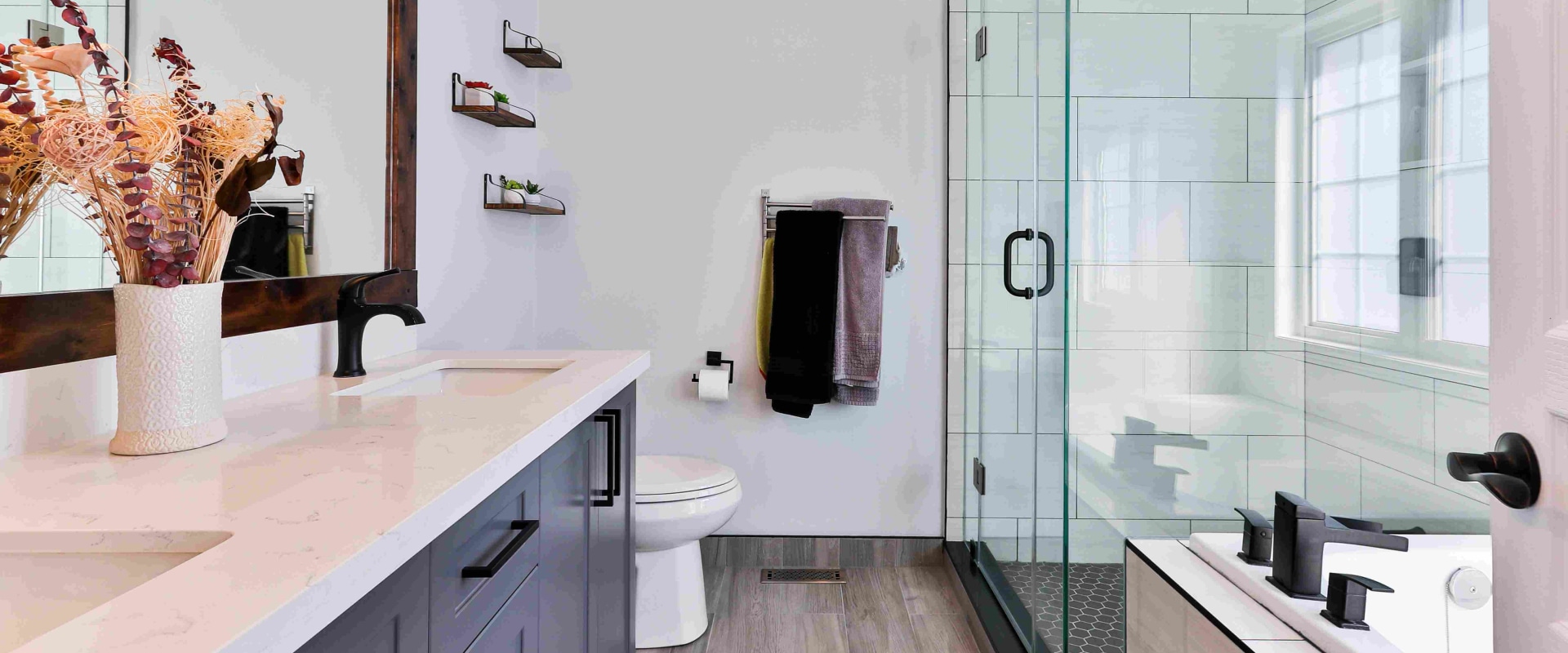
When considering a bathroom remodel, understanding the costs associated with the project is crucial. A bathroom renovation can range from a simple facelift to a complete overhaul, and the expenses can vary significantly based on several factors. Whether you are looking to enhance your home’s value, improve functionality, or simply create a more aesthetically pleasing space, having a clear grasp of your budget is essential for a successful remodel.The first step in determining how much to spend on your bathroom remodel is to assess the current state of your bathroom and identify what changes you want to make. Are you looking to replace outdated fixtures, install new tiles, or perhaps reconfigure the layout entirely? Each of these decisions will impact your overall budget.
According to the National Kitchen and Bath Association (NKBA), homeowners should consider allocating between 5% and 10% of their home’s total value for bathroom renovations. This guideline serves as a helpful benchmark, but individual circumstances will ultimately dictate the final figure.Additionally, it’s important to factor in the costs of labor and materials, which can fluctuate based on your geographical location and the complexity of the project. For instance, high-end materials and custom designs can significantly increase expenses. On the other hand, opting for more affordable options or DIY elements can help keep costs down.
Understanding these variables will not only help you set a realistic budget but also prepare you for potential unexpected expenses that may arise during the remodeling process.
Factors Influencing Bathroom Remodeling Costs
When planning a bathroom remodel, understanding the various factors that influence costs is essential for creating a realistic budget. Several key elements can significantly impact the overall expense of your project.- Size of the Bathroom: The dimensions of your bathroom play a crucial role in determining the cost. Larger bathrooms typically require more materials and labor, which can increase expenses. For instance, a small half-bath may only need basic fixtures and finishes, while a spacious master bath could involve extensive plumbing work and high-end materials.
- Quality of Materials: The choice of materials can dramatically affect your budget.
High-quality tiles, countertops, and fixtures often come with a higher price tag but can enhance the aesthetic appeal and longevity of your bathroom. Conversely, opting for budget-friendly options may save money upfront but could lead to higher maintenance costs in the long run.
- Labor Costs: Hiring skilled professionals for your remodel is another significant factor. Labor costs can vary based on geographical location, contractor experience, and project complexity. It's advisable to obtain multiple quotes from contractors to ensure you receive a fair price for their services.
- Design Choices: The complexity of your design can also influence costs.
Simple updates like replacing fixtures or painting walls are generally less expensive than complete overhauls that involve moving plumbing or electrical systems. Custom designs or unique layouts may require additional labor and materials, further increasing the overall cost.
- Permits and Regulations: Depending on your location, you may need permits for certain remodeling tasks, especially if they involve structural changes or plumbing work. These permits can add to your overall expenses, so it's essential to factor them into your budget from the outset.
Average Costs of Bathroom Remodeling
When considering a bathroom remodel, understanding the average costs associated with different types of renovations is crucial for effective budgeting.The national average for a bathroom remodel typically ranges from $10,000 to $15,000 , but this figure can vary significantly based on several factors, including the scope of the project, materials used, and regional differences.For a basic remodel, which may include cosmetic updates such as new fixtures, paint, and flooring, homeowners can expect to spend around $5,000 to $10,000. This type of renovation focuses on enhancing the existing layout without major structural changes. In contrast, a mid-range remodel that involves upgrading plumbing fixtures, cabinetry, and possibly changing the layout can cost between $15,000 and $25,000 .For those looking to create a luxurious space with high-end materials and custom features, the costs can escalate dramatically. A high-end bathroom remodel can easily exceed $30,000 , especially if it includes features like a soaking tub, custom cabinetry, or advanced lighting systems.
Cost Breakdown for Bathroom Renovation
- Labor Costs: Typically account for 20% to 35% of the total budget.
Hiring skilled professionals ensures quality work but can significantly impact overall costs.
- Materials: Depending on your choices, materials can range from budget-friendly options to premium selections. On average, expect to allocate about 40% of your budget for materials.
- Fixtures and Fittings: These include sinks, toilets, and bathtubs. High-quality fixtures can add both functionality and aesthetic appeal but may also increase costs.
- Permits and Fees: Depending on local regulations, you may need permits for plumbing or electrical work. These fees should be factored into your overall budget.
For instance, urban areas often have higher labor rates compared to rural locations. According to recent data from the National Kitchen and Bath Association (NKBA), homeowners in metropolitan regions might pay up to 20% more than those in less populated areas.Ultimately, understanding these averages and breakdowns will help you set realistic expectations for your bathroom remodeling project. By carefully planning your budget and considering both national averages and local market conditions, you can make informed decisions that align with your vision and financial capabilities.
Budgeting for Your Bathroom Remodel
When planning a bathroom remodel, effective budgeting is crucial to ensure that your project stays on track financially while meeting your design goals. Here are some practical tips to help you budget wisely for your bathroom renovation.- Assess Your Needs and Wants: Start by listing what you need versus what you want in your new bathroom.
Prioritize essential upgrades, such as plumbing repairs or replacing outdated fixtures, before considering luxury items like heated floors or high-end countertops.
- Research Costs: Gather estimates for materials and labor in your area. Websites like HomeAdvisor or Angi can provide average costs for various bathroom remodeling projects. This research will give you a clearer picture of what to expect and help you avoid surprises.
- Set a Realistic Budget: The National Kitchen and Bath Association recommends allocating 5% to 10% of your home’s value for a bathroom remodel. For example, if your home is valued at $300,000, you should consider a budget between $15,000 and $30,000.
Adjust this range based on your specific needs and the scope of the project.
- Include a Contingency Fund: Unexpected expenses often arise during renovations. It’s wise to set aside 10% to 20% of your total budget as a contingency fund to cover unforeseen issues like plumbing problems or structural repairs.
- Consider Financing Options: If your budget is tight, explore financing options such as home equity loans, personal loans, or credit cards with low-interest rates. Just be sure to factor in the cost of interest when planning your overall budget.
- Get Multiple Quotes: Don’t settle for the first contractor you find. Obtain at least three quotes from different professionals to compare prices and services.
This will help you find the best value for your money while ensuring quality work.
- Track Your Spending: As the remodel progresses, keep detailed records of all expenses. This will help you stay within budget and make adjustments if necessary. Use budgeting apps or spreadsheets to monitor costs effectively.
Choosing Between DIY and Hiring Professionals
When it comes to bathroom remodeling, one of the first decisions you'll face is whether to tackle the project yourself or hire a professional.Each option has its own set of advantages and disadvantages, and understanding these can help you make an informed choice that aligns with your skills, budget, and the complexity of the remodel.
Pros and Cons of DIY Bathroom Remodels
Choosing to go the DIY route can be appealing for several reasons:- Cost Savings: One of the most significant benefits of a DIY remodel is the potential for cost savings. By eliminating labor costs, you can allocate more of your budget towards materials and fixtures.
- Personal Touch: A DIY project allows you to infuse your personal style into the design. You have complete control over every aspect, from color schemes to layout.
- Learning Experience: Undertaking a remodel can be a valuable learning experience. You’ll gain new skills and knowledge that can be applied to future projects.
- Time-Consuming: Remodeling a bathroom is often more time-consuming than anticipated.
If you have a full-time job or other commitments, this could lead to delays.
- Skill Limitations: Not everyone has the necessary skills for plumbing, electrical work, or tile installation. Mistakes in these areas can lead to costly repairs down the line.
- Lack of Professional Insight: Professionals bring experience and knowledge that can help avoid common pitfalls. They can also provide design insights that you may not have considered.
When to Hire a Professional
While DIY can be rewarding, there are specific scenarios where hiring a professional is advisable:- Complex Projects: If your remodel involves moving plumbing or electrical systems, it’s best to hire licensed professionals who understand local codes and regulations.
- Lack of Time: If your schedule is packed, hiring a contractor can save you time and ensure that the project is completed efficiently.
- High-End Finishes: For intricate designs or high-end materials, professionals can ensure that installations are done correctly and look polished.
Financing Your Bathroom Remodel
When considering a bathroom remodel, understanding your financing options is crucial to managing costs effectively.Homeowners often find themselves weighing various financial strategies to ensure their renovation dreams become a reality without straining their budgets.
1.Home Equity Loans
One popular option for financing a bathroom remodel is a home equity loan. This type of loan allows you to borrow against the equity you have built in your home. Typically, these loans offer lower interest rates compared to personal loans because they are secured by your property. However, it’s essential to consider the risks involved, as failing to repay the loan could result in losing your home.
2.Home Equity Line of Credit (HELOC)
A HELOC functions similarly to a home equity loan but offers more flexibility.
It provides a line of credit that you can draw from as needed, making it ideal for ongoing projects where costs may fluctuate. With a HELOC, you only pay interest on the amount you withdraw, which can help manage cash flow during your remodel.
3.Personal Loans
If you don’t have sufficient equity in your home, personal loans can be an alternative. These unsecured loans typically come with higher interest rates but can be obtained quickly and without collateral. When considering a personal loan, shop around for the best rates and terms to ensure you’re getting a good deal.
4.Credit Cards
Using credit cards for smaller bathroom remodeling projects can be convenient, especially if you can pay off the balance quickly to avoid high-interest charges.
Some credit cards offer promotional 0% APR periods, which can be beneficial if you plan to pay off the balance within that timeframe.
5.Budgeting Strategies
Regardless of the financing option you choose, having a solid budget is essential. Start by determining how much you can afford to spend without compromising your financial stability. Consider creating a detailed list of all potential expenses, including materials, labor, and unexpected costs that may arise during the renovation process.Additionally, prioritize your needs versus wants. Focus on essential upgrades that will enhance functionality and safety before splurging on luxury items.
This approach not only helps in managing costs but also ensures that your remodel meets your primary goals.In conclusion, exploring various financing options and implementing effective budgeting strategies can significantly ease the financial burden of a bathroom remodel. By carefully assessing your choices and planning accordingly, you can achieve the bathroom of your dreams while maintaining control over your finances.
Return on Investment (ROI) for Bathroom Remodeling
When considering a bathroom remodel, one of the most critical factors to evaluate is the return on investment (ROI). Homeowners often want to know how much value a remodel will add to their property and whether the costs incurred will be recouped when it comes time to sell. Understanding the potential ROI can help you make informed decisions about your renovation project.According to various studies, including those from the National Association of Realtors (NAR) and Remodeling Magazine, bathroom remodels typically yield a strong ROI.On average, homeowners can expect to recover about 55% to 60% of their remodeling costs when selling their home. In some cases, particularly with mid-range renovations, this figure can rise to as much as 71% .Several factors influence the ROI of a bathroom remodel:
- Quality of Materials: Using high-quality materials can enhance both the aesthetic appeal and durability of your bathroom, potentially increasing its value.
- Scope of Renovation: A full remodel that includes layout changes and high-end finishes may offer a better return than a simple cosmetic update.
- Local Market Trends: The real estate market in your area plays a significant role in determining how much value your remodel will add. In hot markets, even minor updates can yield substantial returns.
- Functionality Improvements: Adding features that improve functionality, such as double sinks or additional storage, can make your bathroom more appealing to potential buyers.
This emotional value can be just as important as the financial aspect when considering a remodel.Ultimately, while the numbers provide a guideline, the true value of a bathroom remodel lies in how it meets your needs and enhances your home. By carefully planning your project and considering both cost and value, you can ensure that your investment pays off in more ways than one.
Common Mistakes to Avoid in Bathroom Remodeling
Embarking on a bathroom remodeling project can be an exciting yet daunting task. Homeowners often envision a beautiful, functional space, but several common mistakes can derail the process and lead to costly errors. By being aware of these pitfalls, you can navigate your renovation more smoothly and achieve the bathroom of your dreams.- Neglecting a Clear Plan: One of the most significant mistakes is starting a remodel without a well-thought-out plan.
A clear vision helps in making informed decisions about layout, materials, and budget. Take the time to sketch out your ideas and consider how you want the space to function.
- Underestimating Costs: Many homeowners fail to account for all expenses associated with a remodel. Beyond materials and labor, consider costs for permits, unexpected repairs, and even design consultations. It’s wise to set aside an additional 10-20% of your budget for unforeseen expenses.
- Ignoring Functionality: While aesthetics are important, functionality should be a priority.
Ensure that your new layout accommodates your daily needs. For instance, if you have a large family, consider adding double sinks or ample storage solutions.
- Choosing Trends Over Timelessness: It’s easy to get swept up in current design trends, but opting for trendy features can lead to a quickly outdated bathroom. Instead, focus on classic designs that will stand the test of time and appeal to future buyers.
- Overlooking Lighting: Proper lighting is crucial in any bathroom. Many homeowners underestimate its importance, leading to poorly lit spaces that feel cramped or uninviting.
Incorporate a mix of ambient, task, and accent lighting to create a well-lit environment.
- DIY Overreach: While DIY projects can save money, some aspects of bathroom remodeling require professional expertise. Tasks like plumbing and electrical work should be left to licensed professionals to avoid safety hazards and costly mistakes.
- Forgetting About Ventilation: Proper ventilation is essential in bathrooms to prevent mold growth and maintain air quality. Ensure that your remodel includes adequate exhaust fans or windows to promote airflow.
Conclusion: Making Informed Decisions About Your Bathroom Remodel
In conclusion, embarking on a bathroom remodeling project is a significant decision that requires careful consideration and planning.Understanding the various factors that influence the cost of your remodel is essential to making informed choices that align with your budget and vision.Throughout this article, we have explored the myriad elements that contribute to the overall expense of a bathroom renovation. From the size of the space to the quality of materials and labor costs, each aspect plays a crucial role in determining your final investment. It is vital to recognize that while you may be tempted to cut corners to save money, opting for lower-quality materials or inexperienced contractors can lead to higher costs down the line due to repairs or replacements.Moreover, we discussed the importance of setting a realistic budget. The National Kitchen and Bath Association (NKBA) recommends allocating between 5% and 10% of your home’s value for a bathroom remodel.
This guideline serves as a helpful benchmark, but it’s also essential to tailor your budget based on your specific needs and preferences.As you plan your remodel, consider the long-term benefits of investing in quality fixtures and finishes. A well-executed bathroom renovation not only enhances your daily living experience but can also significantly increase your home’s resale value. According to industry estimates, bathroom remodels can yield an impressive return on investment, often ranging from 55% to 71%.Finally, don’t underestimate the value of professional guidance. Hiring an experienced contractor can streamline the remodeling process, ensuring that all elements work harmoniously together while adhering to local building codes and regulations.
Their expertise can help you avoid common pitfalls and achieve a stunning result that meets both your aesthetic desires and functional needs.In summary, taking the time to understand the costs associated with bathroom remodeling, setting a realistic budget, and seeking professional assistance will empower you to make informed decisions. With careful planning and consideration, you can transform your bathroom into a beautiful and functional space that enhances your home for years to come.